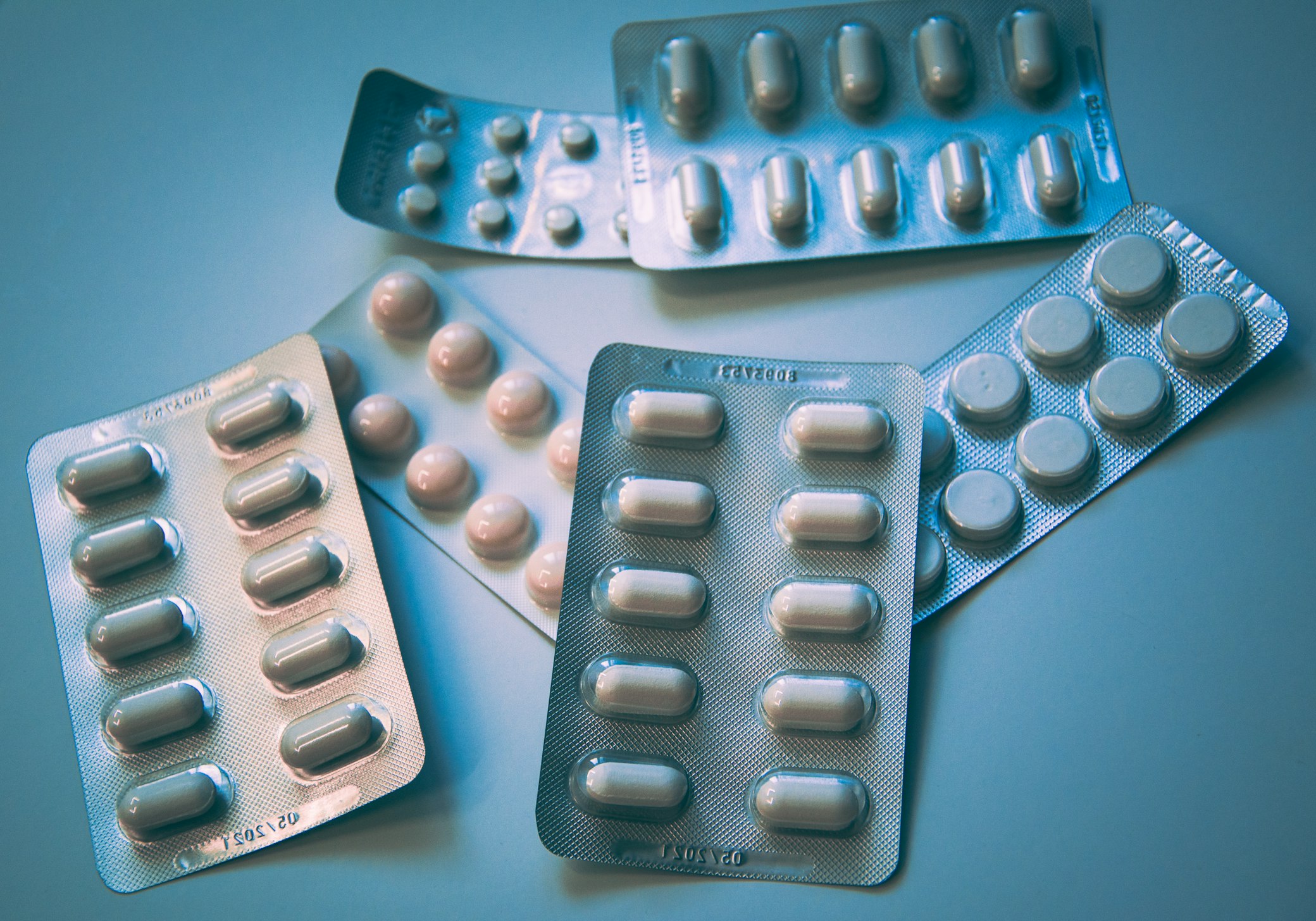
Drug Development: From Laboratory to Pharmacy
The journey of a medicine from laboratory bench to pharmacy shelf is one of the most complex and regulated processes in modern science. This intricate pathway typically spans 10-15 years and costs billions of dollars, reflecting the rigorous standards required to ensure drug safety and efficacy.nnThe process begins with drug discovery, where researchers identify potential therapeutic compounds. This phase involves extensive laboratory testing, computer modeling, and screening of thousands of chemical compounds. Scientists study disease mechanisms and identify molecular targets that could be influenced by new drugs.nnPreclinical testing follows, involving laboratory studies and animal testing to evaluate safety and biological activity. This phase helps researchers understand how the drug is absorbed, metabolized, and eliminated by the body. Only compounds showing promise and acceptable safety profiles advance to human testing.nnClinical trials represent the most critical phase, conducted in three main stages. Phase I trials test safety in small groups of healthy volunteers or patients. Phase II trials evaluate effectiveness while monitoring side effects in larger patient groups. Phase III trials compare the new drug to existing treatments in large, diverse populations.nnRegulatory approval is the next crucial step. Pharmaceutical companies submit comprehensive data packages to regulatory agencies like the FDA or EMA. These agencies conduct thorough reviews of all trial data, manufacturing information, and proposed labeling before granting approval.nnPost-market surveillance continues even after approval. Companies monitor real-world usage, report adverse events, and conduct additional studies to ensure ongoing safety. This phase can lead to label updates, usage restrictions, or in rare cases, market withdrawal.nnThe high cost and lengthy timeline of drug development reflect the stringent safety requirements and the complexity of human biology. Despite these challenges, this rigorous process ensures that medicines reaching patients are both safe and effective.